
Lead Author
Institution
Published
Abstract
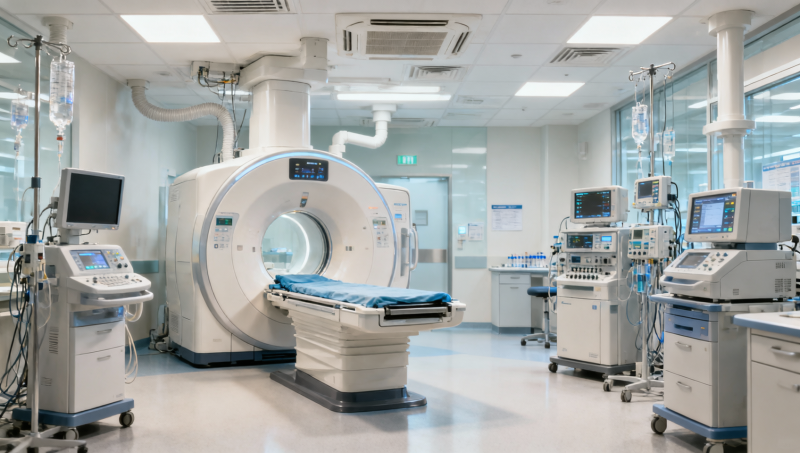
Before upgrading hospital infrastructure, decision-makers should evaluate how clinical innovation aligns with medical device standards, medical procurement goals, and real-world operational needs. From medical imaging equipment and IVD equipment to automated immunoassay analyzers, biocompatible materials, home healthcare technology, and life science tools, every investment affects safety, compliance, and long-term performance.
For most hospitals, the key question is not simply whether an upgrade is needed, but whether the planned upgrade will improve patient care, support staff workflows, meet compliance requirements, and remain sustainable over time. A successful hospital infrastructure upgrade should be judged by operational fit, regulatory readiness, interoperability, lifecycle cost, and resilience—not by purchase price alone.
What should hospitals evaluate first before upgrading infrastructure?
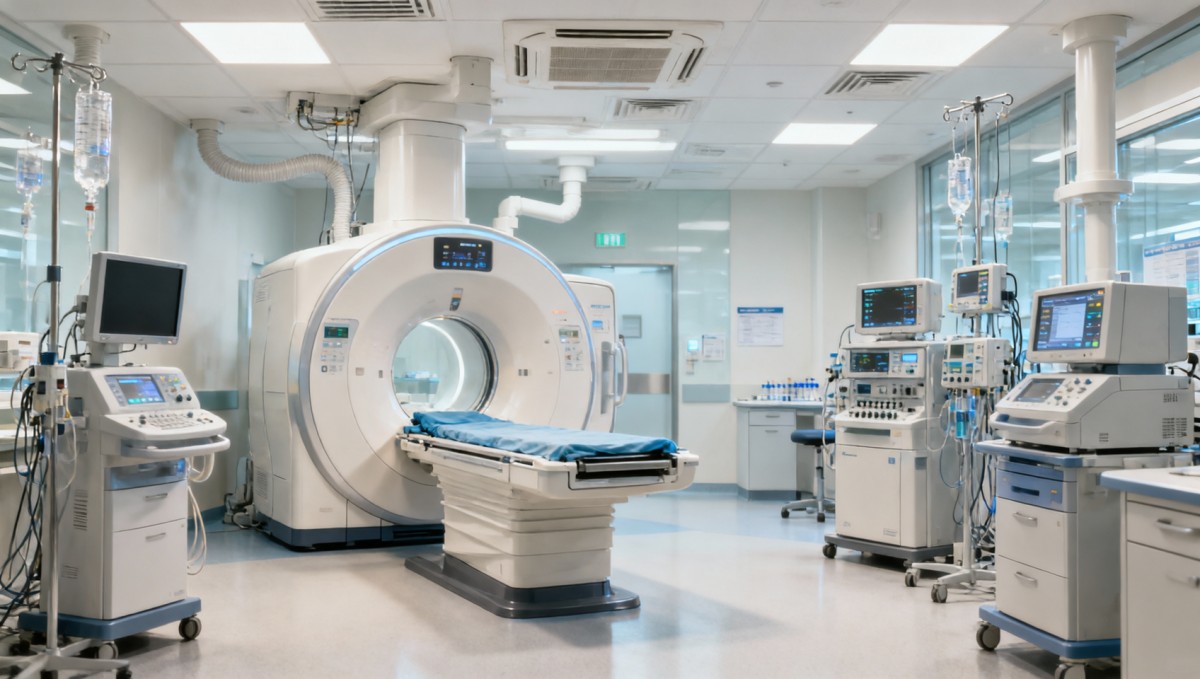
The first step is to define the real problem the upgrade is meant to solve. Many hospitals begin with equipment age or budget cycles, but that approach can lead to mismatched investments. A stronger starting point is to assess where current infrastructure is limiting care delivery, workflow efficiency, safety, or compliance.
Key questions include:
- Are current systems causing delays in diagnosis, treatment, or patient throughput?
- Do existing facilities support newer medical imaging equipment, IVD equipment, or automated immunoassay analyzers?
- Are power supply, HVAC, shielding, water quality, data networks, and spatial layout adequate for modern devices?
- Are maintenance costs, downtime, or failure rates increasing?
- Do staff members have workflow bottlenecks that infrastructure changes could realistically solve?
This early evaluation helps hospitals avoid a common mistake: upgrading visible assets without fixing the underlying operational constraints around them.
How do compliance and standards affect infrastructure decisions?
Compliance should be reviewed before design finalization, not after procurement. Hospital infrastructure must support devices and processes that align with recognized standards and regulatory expectations, including ISO 13485-related quality contexts, FDA requirements, CE MDR considerations, local building codes, infection control protocols, and data protection obligations.
In practical terms, this means checking whether the planned environment can support:
- Validated installation and operation of medical devices
- Environmental controls required for laboratory and diagnostic accuracy
- Traceability and documentation for procurement and quality assurance
- Cleanability, sterilization workflow, and contamination control
- Cybersecurity and secure connectivity for networked systems
For example, upgrading a diagnostics lab without verifying temperature stability, vibration tolerance, sample flow design, and electrical reliability may compromise analyzer performance even if the instrument itself is high quality. Infrastructure and equipment compliance are closely linked.
Which operational risks are most often overlooked?
Hospitals often focus on acquisition and installation while underestimating downstream operational risks. These risks can reduce the value of an upgrade long after commissioning.
The most commonly overlooked areas include:
- Interoperability: New systems must work with hospital information systems, laboratory information systems, PACS, and existing device fleets.
- Utility capacity: Imaging systems, surgical suites, and laboratory platforms may require upgrades to power, cooling, gases, drainage, or backup infrastructure.
- Workflow disruption: Construction or phased deployment can interfere with patient services if sequencing is poorly planned.
- Training burden: Operators, biomedical teams, and maintenance staff need practical onboarding, not just vendor handover documents.
- Serviceability: Access for calibration, preventive maintenance, spare parts, and vendor support must be considered early.
Hospitals should also think beyond acute care zones. Infrastructure decisions increasingly affect rehabilitation spaces, home healthcare technology integration, remote monitoring readiness, and data-sharing pathways across care settings.
How can buyers judge whether the upgrade will deliver long-term value?
Long-term value comes from total performance over the asset lifecycle. That includes clinical impact, uptime, maintenance demand, consumable dependency, staffing efficiency, regulatory durability, and adaptability to future needs.
To make better judgments, procurement and operations teams should compare options using criteria such as:
- Total cost of ownership rather than initial capital cost alone
- Expected equipment lifespan and upgrade pathways
- Compatibility with future expansions or modular redesign
- Availability of technical service, parts, and software support
- Impact on turnaround time, throughput, and patient safety
- Evidence from validated performance data and reference installations
This is especially important for high-precision fields such as advanced imaging and diagnostics, life science research tools, and laboratory automation. A lower-cost solution may become more expensive if it creates repeat calibration issues, unplanned downtime, or workflow inefficiencies.
What should operators and frontline users be asked before final approval?
Frontline users often identify practical issues that planners and vendors miss. Their input can prevent expensive design errors and improve adoption after installation.
Hospitals should ask operators and technical users:
- Does the layout support safe and efficient daily use?
- Are controls, access points, storage zones, and movement paths practical?
- Will cleaning, disinfection, and routine maintenance be easy to perform?
- Are noise, lighting, ventilation, and ergonomic conditions acceptable?
- Will the upgrade reduce manual steps, rework, or avoidable delays?
This matters across departments. A laboratory head may focus on specimen integrity and analyzer flow, while imaging staff may care more about shielding, patient transfer, and equipment uptime. In surgical and hospital infrastructure projects, nurses and technicians may detect sterility, movement, and access issues before leadership does.
What is a practical checklist before making the final upgrade decision?
Before approval, hospitals should confirm that the planned infrastructure upgrade has passed a structured review:
- Clinical need defined: The project solves a documented care, capacity, safety, or compliance problem.
- Technical fit verified: Utilities, space, environmental conditions, and digital connectivity match equipment requirements.
- Compliance reviewed: Relevant regulatory, quality, and documentation obligations are addressed.
- User needs included: Input from operators, engineers, and department leaders has shaped the plan.
- Lifecycle costs modeled: Maintenance, training, downtime, software, and consumables are included.
- Implementation risks planned: Construction phasing, service continuity, and backup workflows are defined.
- Performance metrics set: Clear KPIs are in place for uptime, throughput, safety, and return on investment.
This checklist helps transform hospital infrastructure planning from a capital expense decision into a measurable operational strategy.
Upgrading hospital infrastructure is not only about replacing old systems or expanding capacity. It is about ensuring that medical procurement decisions support safe care, reliable performance, regulatory confidence, and future readiness. Hospitals that assess clinical need, technical compatibility, compliance, user workflow, and long-term serviceability before investing are far more likely to achieve lasting value. In a healthcare environment shaped by precision medicine, connected devices, and stricter quality expectations, better infrastructure decisions begin with better evaluation.
Recommended News
Metadata & Tools
Related Research
- Where to Find Reliable Product Information Resources for Chemicals and How to Verify ThemProduct information resources for chemicals: learn where to find reliable data, how to verify SDS, TDS, COA, and regulatory records, and avoid costly compliance and sourcing mistakes.
- Industrial PC OEM Wholesale: How to Evaluate Suppliers, MOQs, and Customization?Industrial PC OEM wholesale guide: learn how to evaluate suppliers, compare MOQ terms, and define real customization to reduce risk, control costs, and choose a reliable partner.
- How to Build a Secure Industrial IoT System: Key Risks, Architecture, and ControlsSecure industrial IoT starts with the right architecture. Explore key risks, layered controls, and practical steps to build resilient, compliant, and trustworthy connected systems.
- How to Choose Precision Tools for Medical Assembly and Inspection TasksPrecision tools for medical assembly and inspection must deliver traceability, repeatability, and compliance. Learn how to choose the right options for accurate, audit-ready production.
- CT Radiation Dose Optimization: Key Strategies to Improve Image Quality SafelyCT radiation dose optimization explained: discover practical strategies to reduce unnecessary exposure, protect image quality, and support safer, smarter CT decisions.