
Lead Author
Institution
Published
Abstract
As medical imaging equipment ages, the right replacement timing is rarely based on age alone. In most hospitals and diagnostic centers, the practical answer is this: replace imaging systems when rising downtime, image quality limitations, compliance risk, service instability, or workflow inefficiency begin to affect clinical performance and total cost of ownership more than continued maintenance can justify. For procurement researchers and frontline operators, the key is to look beyond “still functioning” and ask whether the system still supports safe diagnostics, sustainable uptime, staff productivity, and regulatory expectations.
In modern healthcare environments, imaging equipment does not operate in isolation. It sits within a larger ecosystem of hospital infrastructure, laboratory workflows, data systems, quality management, and medical device compliance requirements. A delayed replacement decision can increase repair costs, slow patient throughput, reduce confidence in image interpretation, and create integration challenges with newer digital systems. A premature replacement decision, however, can strain budgets without delivering proportional operational value. The most effective approach is a structured evaluation based on clinical need, engineering condition, service support, and long-term procurement strategy.
How do you know it is time to replace aging medical imaging equipment?
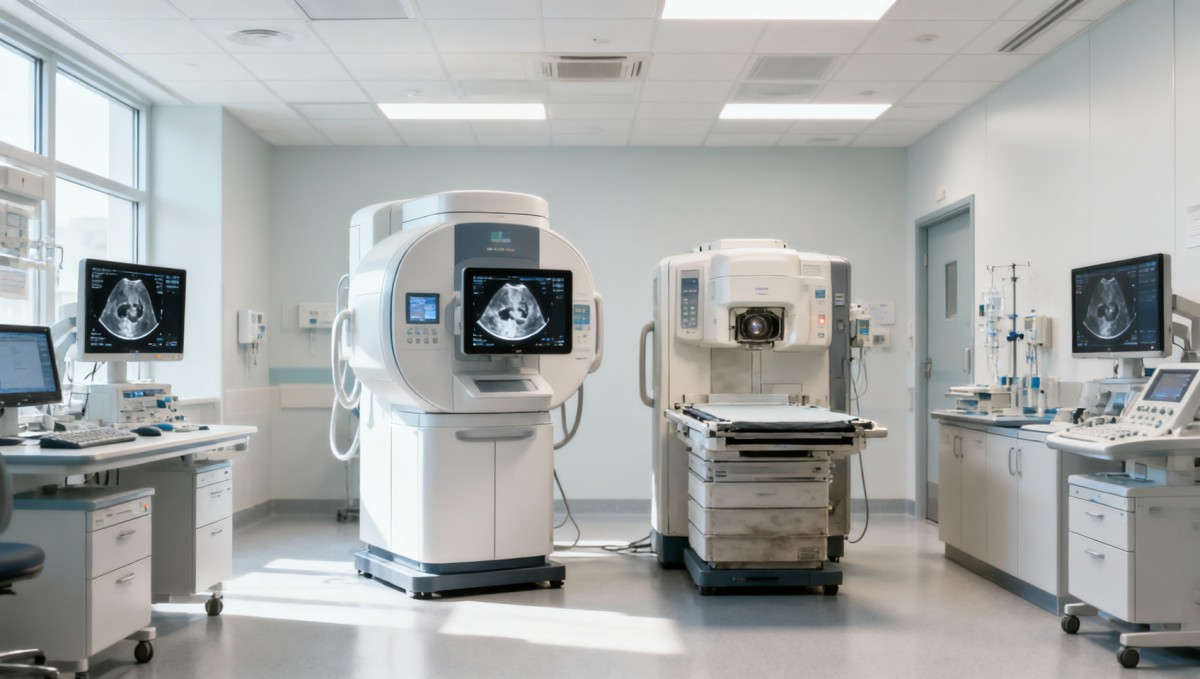
The clearest signal is not simply the number of years the equipment has been in service. Many systems remain operational beyond their expected lifecycle, but that does not mean they remain optimal. Replacement should be considered when one or more of the following conditions appear consistently:
- Frequent downtime: Repeated service interruptions affect scheduling, patient satisfaction, and clinician trust.
- Declining image quality: If image clarity, consistency, or reconstruction performance no longer meets current diagnostic demands, clinical value is compromised.
- Parts and service issues: When OEM support becomes limited, spare parts are delayed, or third-party service quality becomes unpredictable, operational risk rises.
- Software obsolescence: Older platforms may not support cybersecurity updates, PACS/RIS integration, AI-enabled workflows, or interoperability standards.
- Compliance pressure: Legacy systems may become harder to validate against current quality, safety, radiation, or documentation expectations.
- Workflow inefficiency: Slow scan times, cumbersome user interfaces, and increased repeat imaging reduce productivity and add hidden cost.
- Higher total cost of ownership: Maintenance, repairs, lost revenue from downtime, and staff workarounds can outweigh the cost of replacement.
For most decision-makers, replacement becomes urgent when technical aging starts creating clinical or operational consequences. A machine that still powers on is not necessarily a machine that should remain in active service.
What matters most to procurement teams and equipment operators?
Although procurement directors and operators view the issue from different angles, their concerns often converge around reliability, usability, and risk.
Information researchers and procurement stakeholders usually want answers to questions such as:
- Is the equipment still financially justifiable to maintain?
- Will replacement improve throughput, diagnostic quality, or departmental efficiency?
- Are we exposed to regulatory, quality, or cybersecurity risk by keeping this system?
- Can the current system still integrate with our broader medical technology infrastructure?
- What is the replacement priority compared with other capital equipment needs?
Users and operators often focus on issues that affect daily work:
- Does the system produce dependable results without repeated rescans?
- Is operation becoming slower, more error-prone, or more physically demanding?
- Are service interruptions disrupting patient care?
- Does the interface support current workflow expectations and staff training needs?
- Are patients experiencing longer exam times, lower comfort, or avoidable delays?
The most useful replacement decision framework therefore combines hard asset data with real user experience. Procurement teams may see maintenance records, but operators often notice image inconsistency, workflow friction, or recurring faults earlier than anyone else.
Which replacement indicators deserve the most attention?
Not all warning signs carry equal weight. If the goal is to make a sound decision, these factors usually deserve priority:
1. Clinical performance and diagnostic confidence
If the equipment cannot support current clinical protocols, higher-resolution studies, faster reconstruction, or lower-dose imaging expectations, replacement should move higher on the agenda. Diagnostic quality is the core purpose of imaging equipment, and any limitation here has direct consequences for patient care.
2. Uptime and serviceability
Track mean time between failures, repair frequency, and average service response time. A system that disrupts scheduling every month creates operational drag that is often underestimated. Lost appointments and delayed exams can cost more than maintenance invoices suggest.
3. End of manufacturer support
When OEM support approaches end-of-life, hospitals face increased uncertainty in spare parts availability, software updates, and technical documentation. This is often a decisive trigger for replacement planning, especially in regulated environments that depend on verifiable service records.
4. Compatibility with digital healthcare systems
Medical imaging is now deeply tied to data management, interoperability, and secure connectivity. Older equipment may struggle to integrate with PACS, EMR systems, AI analysis tools, dose monitoring platforms, or enterprise cybersecurity frameworks. If integration barriers are causing delays or manual workarounds, replacement may deliver strategic value beyond the imaging department.
5. Cost trend over time
One year of high repair cost may not justify replacement, but a multi-year upward trend often does. Compare annual maintenance and downtime-related losses against the projected operational benefits of a newer system, including energy efficiency, reduced repeats, improved throughput, and easier staff onboarding.
How old is “too old” for medical imaging equipment?
There is no universal replacement age, because imaging modalities vary widely in workload, technical complexity, service history, and upgrade path. However, age remains a useful screening factor.
In practice, many providers begin formal replacement review when major imaging systems approach the later phase of their expected lifecycle. At that point, even if the system remains functional, several risks increase:
- Higher failure rates in key sub-systems
- Reduced software support
- Difficulty obtaining certified parts
- Lower compatibility with current clinical and IT standards
- Widening performance gap versus newer equipment
Rather than setting a rigid age cutoff, a better method is to classify systems into categories such as:
- Continue operating: Stable performance, acceptable service support, strong clinical fit
- Monitor closely: Aging but manageable, with known constraints and rising maintenance attention
- Plan replacement: Obsolescence indicators present, replacement should enter capital planning
- Replace urgently: Clinical, compliance, or service risk is now material
This structured approach helps organizations avoid both underreaction and overreaction.
Should you upgrade, refurbish, or fully replace the system?
Full replacement is not always the first answer. In some cases, software upgrades, detector upgrades, component refurbishment, or workflow redesign can extend the useful life of the system. The decision depends on what problem you are trying to solve.
An upgrade may be enough when:
- The core platform remains reliable
- Image quality is still clinically acceptable
- OEM support is available
- The main gap is software, interface, or limited performance enhancement
Refurbishment may be viable when:
- Budget constraints are significant
- The modality is non-critical or lower volume
- Verified refurbishment quality and validation documentation are available
- The intended use does not require the newest feature set
Full replacement is usually the better choice when:
- Core hardware reliability is declining
- Clinical capability no longer matches current demand
- Regulatory or cybersecurity concerns are difficult to mitigate
- Downtime is affecting patient care and revenue
- Supportability over the next several years is uncertain
For institutions operating under strict quality and compliance expectations, replacement should favor systems backed by transparent documentation, validated performance data, and clear alignment with applicable standards such as ISO 13485, FDA requirements, and CE MDR pathways where relevant.
What are the hidden risks of waiting too long?
Many organizations delay replacement because the existing system still appears usable. The hidden problem is that aging equipment can create costs and risks that do not show up clearly in a single budget line.
- Diagnostic delays: Slower exams and repeat scans reduce departmental efficiency.
- Patient experience issues: Longer waiting times and less comfortable procedures affect satisfaction.
- Staff burden: Operators spend more time troubleshooting, adapting protocols, or managing interruptions.
- Data and cybersecurity exposure: Unsupported software environments can become weak points in hospital infrastructure.
- Compliance complexity: Documentation, validation, and maintenance traceability may become harder to defend.
- Strategic lag: Legacy equipment can slow broader digital transformation in imaging, diagnostics, and connected care.
In this sense, replacement is not only a capital expenditure decision. It is also a risk control decision that affects engineering integrity, workflow continuity, and the institution’s ability to deliver modern care.
How should hospitals make a practical replacement decision?
A useful replacement process should be evidence-based and cross-functional. The strongest decisions typically involve clinical users, biomedical engineering, procurement, IT, quality/compliance, and finance.
A practical evaluation model can include these steps:
- Review asset age and service history: Examine downtime, repairs, parts replacement, and service trends.
- Assess clinical adequacy: Confirm whether the system still supports current protocols and patient volume.
- Gather operator feedback: Identify workflow pain points, usability issues, and recurring quality concerns.
- Check support status: Verify OEM service availability, software updates, and parts continuity.
- Evaluate compliance and cybersecurity: Determine whether the platform still fits institutional requirements.
- Compare costs: Look at ongoing maintenance versus replacement, including hidden downtime costs.
- Rank by replacement priority: Not every aging system needs immediate action; prioritize by risk and impact.
This process helps organizations move away from subjective decisions and toward a documented medical procurement strategy grounded in operational reality.
What should you look for in a replacement system?
When replacement is justified, the next step is to avoid treating procurement as a simple brand comparison. A good replacement should match future needs, not just solve today’s breakdown problem.
Key selection criteria often include:
- Clinical performance aligned with target applications
- Reliable uptime and documented service support
- Interoperability with hospital IT and diagnostic data systems
- User-centered workflow design for operators
- Cybersecurity and software lifecycle support
- Regulatory documentation and quality traceability
- Total cost of ownership over the expected lifecycle
- Scalability for future departmental growth
For research-led institutions and globally oriented healthcare providers, comparative technical benchmarking is especially valuable. Objective review of system architecture, component quality, compliance posture, and lifecycle support can reduce procurement uncertainty and improve long-term asset performance.
Conclusion
You should replace aging medical imaging equipment when it no longer delivers acceptable clinical value, operational reliability, supportability, or compliance confidence at a justifiable cost. The right timing is rarely defined by age alone. Instead, it emerges from a combination of image quality, uptime, service support, workflow fit, digital compatibility, and long-term risk.
For both procurement researchers and frontline operators, the most effective approach is to evaluate equipment as part of the broader healthcare technology ecosystem. A well-timed replacement can improve diagnostic confidence, reduce hidden operational costs, support regulatory readiness, and strengthen the resilience of hospital infrastructure. In a healthcare environment shaped by precision medicine, connected systems, and rising quality expectations, replacing legacy imaging equipment at the right moment is not just a technical decision—it is a strategic one.
Recommended News
Metadata & Tools
Related Research
- CT Radiation Dose Optimization: Key Strategies to Improve Image Quality SafelyCT radiation dose optimization explained: discover practical strategies to reduce unnecessary exposure, protect image quality, and support safer, smarter CT decisions.
- How to Read Diagnostic Device Specifications for Smarter Technical EvaluationDiagnostic device specifications explained clearly: learn how to assess sensitivity, throughput, compliance, and interoperability for smarter technical evaluation and lower procurement risk.
- How Stable Is HEPES in Cell Culture Media? Key Factors and Storage LimitsHEPES media stability explained: learn how light, temperature, formulation, and handling affect cell culture performance, storage limits, and reliable lab results.
- How to Evaluate a Custom MRI Parts Manufacturer: Key Capabilities, Tolerances, and ComplianceCustom MRI parts manufacturer selection demands more than price checks. Learn how to assess tolerances, process capability, ISO 13485 compliance, and documentation for reliable supply.
- How to Choose Fanless Industrial PC Cooling for Dusty, High-Temperature EnvironmentsFanless industrial PC cooling for dusty, high-temperature environments: learn how to compare sealed designs, thermal performance, and reliability for safer uptime and smarter deployment.