
Lead Author
Institution
Published
Abstract
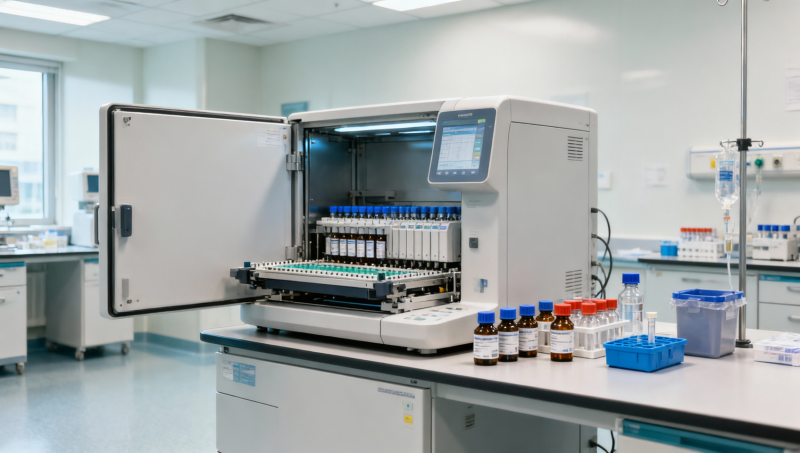
As laboratories weigh the long-term value of automated immunoassay analyzers, maintenance is a key concern for both medical procurement teams and daily operators. In the broader context of clinical innovation, IVD equipment reliability, medical device standards, and hospital infrastructure all shape upkeep demands. Understanding these factors helps users assess whether modern systems truly reduce workload while supporting consistent diagnostic performance.
For procurement directors, the real question is rarely whether an analyzer needs maintenance at all. Every automated immunoassay analyzer requires scheduled care, calibration checks, consumable replacement, and periodic service support. The more practical question is whether that maintenance is predictable, manageable, and aligned with laboratory throughput, staffing levels, and compliance needs.
For operators and laboratory heads, ease of maintenance affects daily uptime, reagent integrity, test consistency, and workflow continuity. In hospitals, independent labs, and integrated diagnostic networks, even a 2- to 4-hour interruption can delay sample release, increase manual intervention, and create pressure on quality control teams. That is why maintenance should be assessed as part of total operational value, not as an isolated technical issue.
What maintenance really involves in automated immunoassay systems
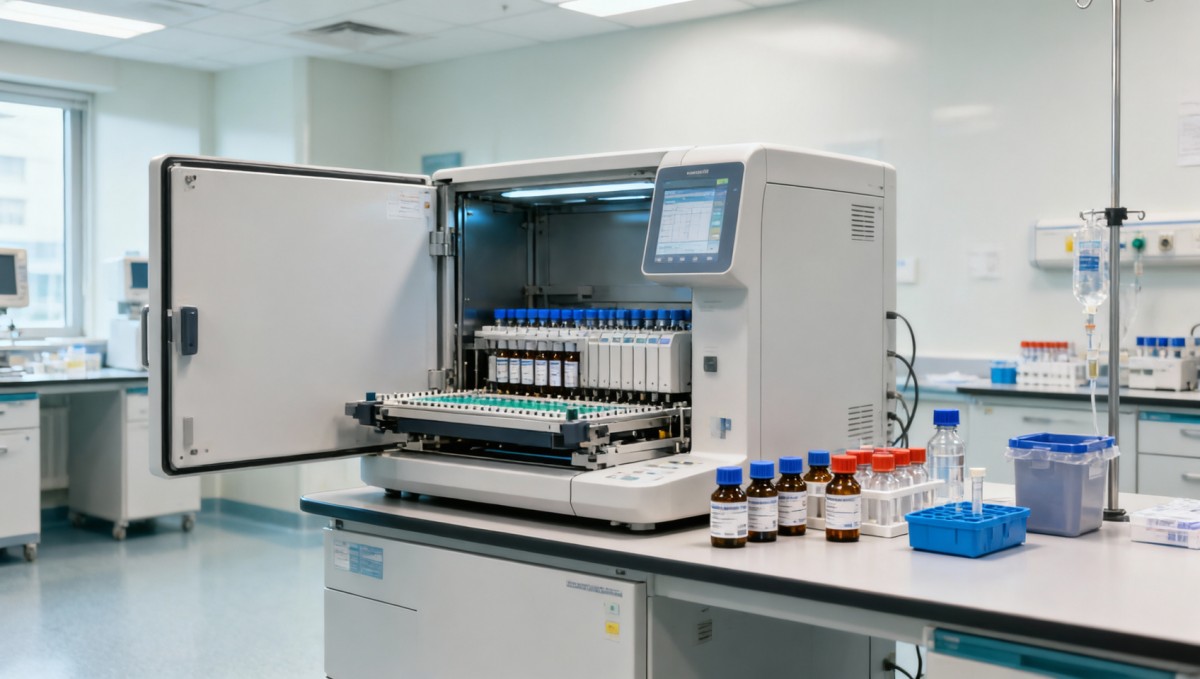
Automated immunoassay analyzers are not inherently hard to maintain, but their maintenance profile depends on system design, test menu complexity, workload intensity, and environmental control. A compact analyzer processing 80 to 120 tests per hour typically has a simpler upkeep routine than a high-throughput platform running 300 to 600 tests per hour across multiple assay channels and sample racks.
Most maintenance falls into 3 levels: daily operator care, weekly or monthly preventive tasks, and periodic engineer servicing. Daily tasks often include probe rinsing checks, waste disposal, reagent compartment review, and surface cleaning. Weekly work may involve deeper wash station inspection, tubing assessment, and calibration verification. Semiannual or annual visits usually cover mechanical alignment, software diagnostics, and replacement of wear components.
The perception that automated immunoassay analyzers are difficult to maintain often comes from older systems with more manual priming, less intuitive alarm handling, and limited remote diagnostics. Newer analyzers increasingly include onboard maintenance prompts, guided workflows, self-check routines, and event logging that reduce dependence on highly specialized intervention during routine use.
Core maintenance categories operators should expect
When evaluating an automated immunoassay analyzer, users should separate routine housekeeping from true technical maintenance. This distinction helps avoid overestimating service burden during procurement reviews and budget planning.
- Daily care: startup checks, probe and cuvette path review, external cleaning, liquid level checks, and waste handling; often 10 to 20 minutes per shift.
- Weekly or monthly preventive tasks: wash verification, tubing inspection, decontamination cycles, and backup review; often 30 to 90 minutes depending on test volume.
- Engineer-level service: sensor testing, motion calibration, component replacement, software updates, and fault tracing; commonly every 6 to 12 months.
- Unplanned maintenance: clogging, aspiration errors, barcode reading issues, temperature deviations, or carryover alarms that require escalation.
Why complexity varies by lab setting
A small specialty clinic performing a limited hormone or infectious disease panel may run 20 to 50 samples per day, which places less stress on fluidics and consumable pathways. A central hospital laboratory operating 2 or 3 shifts may process several hundred samples daily, making residue buildup, mechanical wear, and reagent refrigeration stability more significant maintenance variables.
The table below shows how maintenance intensity typically changes with platform scale and operational context. These are common industry ranges rather than fixed specifications.
The key takeaway is that maintenance difficulty is relative. In many cases, a modern automated immunoassay analyzer is not hard to maintain if the platform matches the actual workload and the laboratory has basic preventive routines in place.
The factors that make an analyzer easy or difficult to maintain
Maintenance burden is shaped less by marketing claims and more by engineering details. Laboratories should review fluidic architecture, waste system access, reagent loading design, temperature control stability, software guidance, and serviceability of key components. A system with sealed pathways and guided maintenance screens may require fewer operator decisions than one with multiple manual steps and less diagnostic visibility.
Environmental conditions also matter. Automated immunoassay analyzers operate best within controlled room temperatures, often around 18°C to 26°C, with stable power quality and low dust exposure. If a laboratory experiences frequent voltage fluctuation, poor HVAC consistency, or compressed bench spacing, maintenance events can increase even when the analyzer itself is well designed.
Another factor is assay diversity. A platform running a narrow menu may be easier to keep stable than one performing broad endocrinology, tumor marker, infectious disease, and cardiac panels simultaneously. More assay types mean more reagent packs, calibrators, control materials, and lot-to-lot management steps, all of which influence maintenance and quality assurance effort.
Design features that reduce maintenance pressure
Laboratory teams can use the following checklist when comparing analyzers during technical evaluation:
- Guided maintenance interface with step-by-step prompts and alarm history review.
- Automated probe washing and clog detection to reduce manual troubleshooting.
- Accessible consumable bays and waste containers that can be changed in under 5 minutes.
- Remote diagnostics or service connectivity for faster fault identification.
- Modular replacement of pumps, sensors, or valves rather than full assembly disassembly.
Common maintenance pain points by system characteristic
The table below highlights practical differences that affect operator workload and service frequency.
For buyers, these differences translate into measurable operational impact. A system that saves 15 minutes of daily maintenance can recover more than 90 staff hours per year in a single-shift laboratory. In multi-shift environments, the labor effect can be significantly larger.
This is why maintenance evaluation should be included in site planning, infrastructure review, and service contract negotiation. G-MLS emphasizes this cross-functional view because analyzer uptime depends not only on the instrument but also on engineering support, facility readiness, and compliance discipline.
How procurement teams should assess maintenance before purchase
A procurement decision should not stop at throughput, assay menu, or acquisition price. The long-term cost of maintaining an automated immunoassay analyzer includes preventive service visits, replacement parts, operator training time, calibration burden, downtime risk, and the compatibility of the analyzer with existing LIS, power supply, water quality, and laboratory workflow.
In practical terms, maintenance assessment should start before tender finalization or technical approval. If a laboratory only asks whether service is available, it misses more useful questions: How many preventive visits are recommended per year? What is the expected response time for critical faults? Which parts are operator-replaceable? How long does decontamination take? What environmental tolerances are required for stable performance?
A good evaluation framework usually covers at least 4 dimensions: instrument maintainability, support infrastructure, operator usability, and compliance traceability. Each of these affects not just service burden but also test continuity and audit readiness.
Procurement checklist for maintenance-related due diligence
- Ask for the recommended daily, weekly, monthly, and annual maintenance schedule in writing.
- Verify whether preventive maintenance requires on-site engineers, remote support, or both.
- Confirm service response windows, such as 4 hours, 24 hours, or 48 hours for different fault levels.
- Review spare parts availability and whether critical wear parts are stocked locally or regionally.
- Check training format: initial onboarding, competency refreshers every 6 to 12 months, and documentation support.
- Assess whether maintenance logs can support ISO 13485-aligned device management or hospital quality audits.
Decision matrix for comparing maintenance risk
The matrix below can help technical buyers compare options beyond headline performance.
When procurement teams apply a framework like this, the answer to whether automated immunoassay analyzers are hard to maintain becomes much clearer. The better question is which analyzer is maintainable within the actual service ecosystem of the hospital or laboratory.
Best practices for operators: reducing downtime and keeping performance stable
For users and operators, maintenance becomes manageable when it is integrated into routine workflow rather than treated as an occasional repair event. Most day-to-day problems in automated immunoassay analyzers come from avoidable issues such as delayed cleaning, improper reagent handling, missed control review, or incomplete startup and shutdown discipline.
A practical laboratory standard is to divide responsibilities by shift, by day, and by escalation level. Operators can manage routine cleaning, alarm review, and consumable handling, while senior technologists verify calibration and quality control trends. Biomedical engineering or external service teams can handle firmware, sensor, pump, and mechanical issues that exceed user authority.
The most reliable laboratories usually follow a simple rule: document every intervention. A 1-minute alarm acknowledgment without recording the root cause can lead to repeat faults over 2 to 3 weeks. In contrast, a disciplined logbook or digital maintenance trail allows teams to identify recurring issues such as reagent cooling instability, aspiration inconsistency, or wash station residue.
Operator-side maintenance workflow
- Before startup, confirm room temperature stability, reagent loading status, waste capacity, and error log clearance.
- During operation, monitor flags related to aspiration, incubation timing, barcode reading, and control deviations.
- At shift end, complete cleaning cycles, dispose of waste according to protocol, and inspect sample and reagent areas for residue.
- Weekly, review QC trends, maintenance records, and component warnings with the laboratory supervisor.
- Escalate persistent alarms immediately if they recur more than 2 or 3 times within a short operating window.
Common mistakes that increase maintenance burden
Many avoidable service calls come from process gaps rather than instrument failure. Frequent examples include skipping cleaning cycles to save 10 minutes, loading reagents without proper temperature equilibration, delaying waste disposal until the container is overfilled, or treating repeated aspiration warnings as temporary nuisances. Each shortcut increases the chance of residue accumulation, contamination risk, or unstable assay performance.
Training also matters. A new operator may learn startup operation in 1 or 2 sessions, but maintenance competency usually needs structured refreshers every few months. In high-turnover environments, this is especially important. Even a highly automated system can become difficult to maintain when staff handover is inconsistent.
From a service perspective, the goal is not zero intervention. The goal is controlled intervention: short routine maintenance windows, early recognition of abnormal trends, and fast escalation when technical support is needed. That approach protects both analyzer lifespan and diagnostic consistency.
Maintenance, compliance, and long-term value in modern laboratory infrastructure
Maintenance should also be viewed through the lens of compliance and infrastructure. In regulated laboratory environments, it is not enough for an automated immunoassay analyzer to function well; maintenance activities must be documented, traceable, and aligned with internal quality systems. This is especially important where procurement teams and lab managers must show evidence of equipment control, preventive servicing, and operator competency.
Standards and regulatory frameworks such as ISO 13485-related quality thinking, FDA-regulated device expectations, or CE MDR-oriented documentation culture all reinforce the same principle: device performance and maintenance records are linked. A laboratory that cannot show when calibration checks, cleaning routines, software updates, or service interventions occurred may face higher audit pressure and weaker root-cause analysis after incidents.
This is where institutions such as G-MLS add value for information researchers and technical decision-makers. Benchmarking analyzers against engineering integrity, serviceability, and global standards helps organizations move beyond surface-level specifications. It supports a broader understanding of how IVD equipment reliability fits into hospital infrastructure, bioscience workflows, and data-driven medical technology governance.
FAQ for researchers, buyers, and operators
Are automated immunoassay analyzers suitable for labs with limited technical staff?
Yes, many are, provided the lab chooses a platform with guided maintenance, manageable throughput, and dependable service support. Small to mid-volume laboratories should prioritize systems with short daily maintenance routines, intuitive alarm handling, and clear operator training resources. A simpler analyzer with 80 to 150 tests per hour may be more sustainable than a large platform that exceeds the lab’s staffing and infrastructure capacity.
How often do these analyzers typically need professional servicing?
A common industry pattern is preventive engineer service every 6 to 12 months, although high-throughput or multi-shift labs may require more frequent review depending on usage intensity and manufacturer guidance. Critical wear components may have different replacement intervals, and facilities should confirm these during technical evaluation rather than after installation.
What is the biggest mistake during procurement?
The biggest mistake is evaluating only acquisition cost and assay menu while ignoring maintainability. A lower purchase price can become more expensive over 3 to 5 years if the analyzer requires longer downtime, more frequent service visits, difficult consumable management, or greater dependence on specialized staff.
Do modern analyzers reduce maintenance compared with older systems?
In many cases, yes. Improvements in automation, onboard diagnostics, guided maintenance interfaces, and modular design have reduced routine burden. However, reduced maintenance does not mean no maintenance. Labs still need structured cleaning, QC review, calibration discipline, and documented service procedures to maintain performance.
Automated immunoassay analyzers are not automatically hard to maintain. Their maintenance burden depends on workload match, platform design, infrastructure readiness, operator discipline, and service support quality. For procurement teams, the priority is to evaluate maintainability as part of total lifecycle value. For users, the priority is to build routine, documented, and scalable maintenance habits that protect uptime and result quality.
If your organization is comparing automated immunoassay analyzers, reviewing IVD equipment reliability, or planning a more resilient laboratory infrastructure strategy, G-MLS can help you assess technical trade-offs with greater clarity. Contact us to explore benchmark-driven insights, request a tailored evaluation framework, or learn more about practical selection criteria for modern diagnostic systems.
Recommended News
Metadata & Tools
Related Research
- How to Choose Precision Tools for Medical Assembly and Inspection TasksPrecision tools for medical assembly and inspection must deliver traceability, repeatability, and compliance. Learn how to choose the right options for accurate, audit-ready production.
- CT Radiation Dose Optimization: Key Strategies to Improve Image Quality SafelyCT radiation dose optimization explained: discover practical strategies to reduce unnecessary exposure, protect image quality, and support safer, smarter CT decisions.
- How to Read Diagnostic Device Specifications for Smarter Technical EvaluationDiagnostic device specifications explained clearly: learn how to assess sensitivity, throughput, compliance, and interoperability for smarter technical evaluation and lower procurement risk.
- How Stable Is HEPES in Cell Culture Media? Key Factors and Storage LimitsHEPES media stability explained: learn how light, temperature, formulation, and handling affect cell culture performance, storage limits, and reliable lab results.
- How to Evaluate a Custom MRI Parts Manufacturer: Key Capabilities, Tolerances, and ComplianceCustom MRI parts manufacturer selection demands more than price checks. Learn how to assess tolerances, process capability, ISO 13485 compliance, and documentation for reliable supply.