
Lead Author
Institution
Published
Abstract
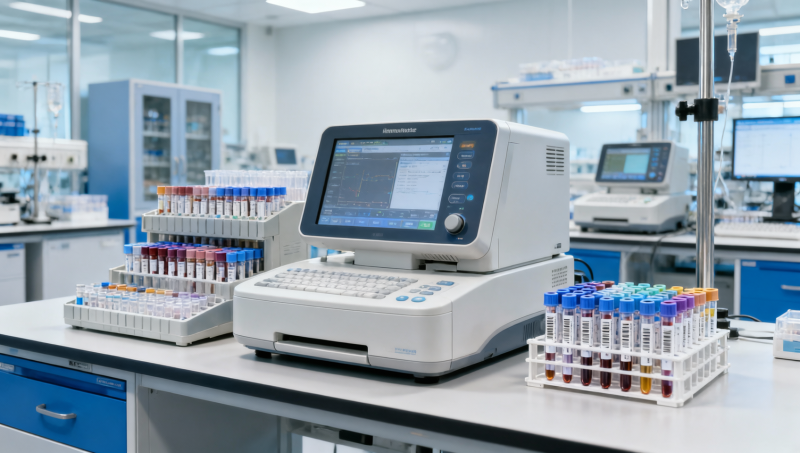
Choosing among automated immunoassay analyzers is not simply a matter of picking the fastest system or the lowest quoted price. For most labs, the best model is the one that matches test menu needs, sample volume, staffing reality, quality requirements, and regulatory expectations at the same time. If your lab handles high-volume routine chemistry in a hospital network, your priorities will differ from those of a specialty lab focused on endocrine, infectious disease, fertility, or oncology markers. The right decision comes from aligning analyzer capability with real workflow, validation demands, maintenance burden, and long-term operational risk.
For information researchers and instrument operators, the practical question is this: which automated immunoassay analyzer will deliver reliable results, integrate smoothly into daily lab work, and remain sustainable under procurement, compliance, and service constraints? This guide breaks that decision into clear factors so you can compare models with more confidence and less guesswork.
What actually determines whether an automated immunoassay analyzer fits your lab?
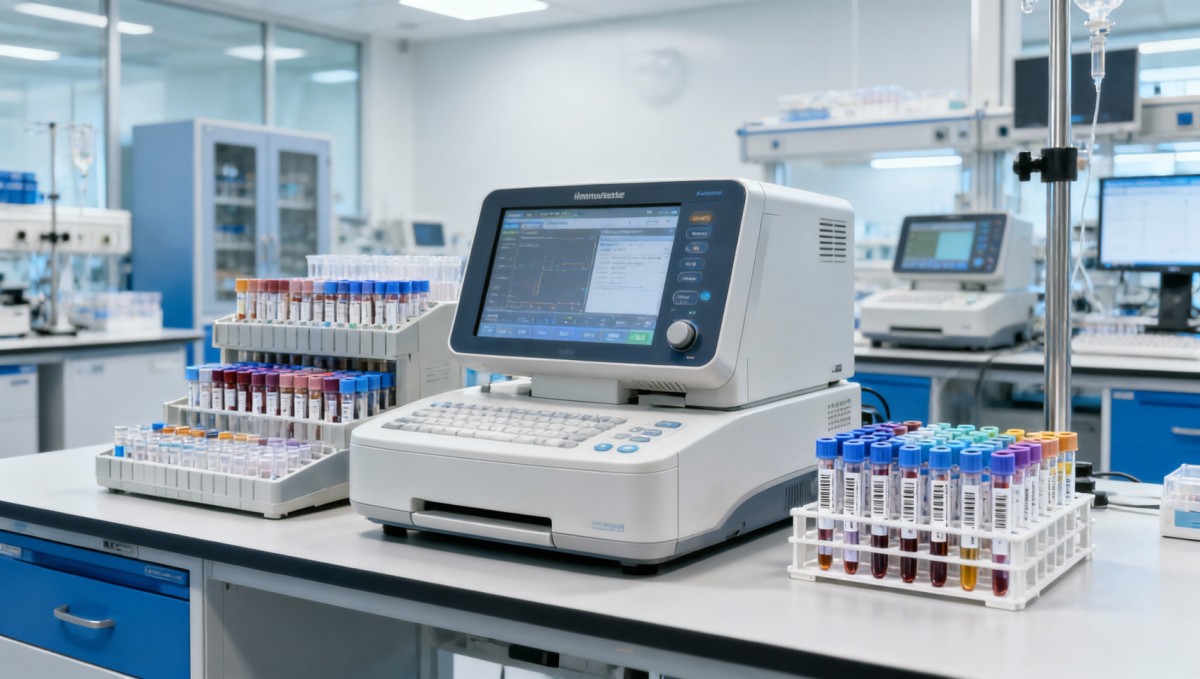
The core search intent behind this topic is comparison with decision support. Readers are usually not looking for a generic definition of immunoassay systems. They want to know how to judge different analyzer models in a way that leads to a defensible purchase, upgrade, or operational recommendation.
In practice, fit depends on five variables:
- Clinical test demand: What assays do you run now, and what are you likely to add in the next 2 to 5 years?
- Workload profile: Daily sample volume, peak-hour demand, STAT testing needs, and batching patterns matter more than headline throughput alone.
- Operational capacity: Staffing skill level, maintenance tolerance, reagent handling routines, and calibration discipline affect real-world performance.
- Data and compliance needs: LIS connectivity, traceability, QC management, audit readiness, and conformity with applicable standards are essential for many labs.
- Total lifecycle cost: Instrument cost is only one part of the decision. Reagents, consumables, downtime, service coverage, training, and upgradeability often have greater long-term impact.
That means the “best” model is rarely universal. A large hospital core lab may prioritize automation depth, middleware integration, and minimal intervention. A mid-size private lab may value assay flexibility and predictable reagent economics. A specialized department may care more about analytical sensitivity and niche marker availability than maximum throughput.
Start with workload, not brochure specifications
One of the most common procurement mistakes is overvaluing advertised throughput. A system rated for very high tests per hour may still be a poor fit if your lab experiences uneven sample arrival, frequent urgent requests, or limited operator availability.
Before comparing analyzer models, define your workload in operational terms:
- How many samples are processed per day, per shift, and during peak periods?
- What proportion of tests are routine versus urgent?
- Are you running a broad menu at low-to-medium volume, or a narrower menu at high volume?
- How often do you face reruns, reflex testing, or repeat QC events?
- Will the analyzer be standalone, or part of a larger automation track?
For operators, the key issue is not theoretical capacity but whether the system maintains stable turnaround times under real conditions. A smaller analyzer with shorter startup time and easier reagent access may outperform a larger system in decentralized or moderate-volume settings. Conversely, high-throughput labs may need random-access processing, continuous loading, onboard refrigeration, and automated sample prioritization to avoid bottlenecks.
When evaluating automated immunoassay analyzers, ask vendors for workflow simulations using your own volume profile rather than relying only on standard demo metrics.
Which analytical performance metrics matter most?
Laboratories should always review analytical claims in relation to intended use. The right model must support both clinical confidence and operational reproducibility.
Key performance factors include:
- Precision: Look at within-run and between-run reproducibility at clinically relevant concentrations, not only ideal conditions.
- Sensitivity and functional sensitivity: Especially important for hormones, cardiac markers, tumor markers, and low-abundance analytes.
- Specificity and cross-reactivity: Critical where structurally similar compounds may interfere.
- Reportable range and linearity: Important if your lab sees broad concentration ranges and wants to reduce repeat dilution work.
- Carryover performance: A practical issue in high-volume environments and mixed test menus.
- Calibration stability: Longer calibration intervals can reduce labor and downtime, but only if result stability is proven.
- Interference handling: Hemolysis, lipemia, bilirubin, heterophilic antibodies, and biotin susceptibility may be clinically significant depending on assay design.
For information researchers, this is the point where vendor literature should be checked against independent evaluations, peer-reviewed data, external quality assessment performance, and post-market experience where available. For operators, the practical question is simpler: does this analyzer consistently produce dependable results with manageable QC effort?
How important are assay menu and future test expansion?
Assay menu breadth is one of the strongest selection criteria because a model that fits current demand may become restrictive very quickly. Labs should map current and anticipated testing across major categories such as:
- Infectious disease
- Thyroid and endocrine
- Fertility and reproductive health
- Cardiac markers
- Tumor markers
- Autoimmune testing
- Therapeutic drug monitoring
- Vitamin and metabolic markers
A broad menu can reduce the need for multiple platforms, but menu breadth alone does not guarantee value. Labs should also check:
- Availability of assays in your market
- Regulatory clearance status
- Reagent shelf life and onboard stability
- Lot-to-lot consistency
- Time required to add new assays
- Whether specialty assays force manual workarounds
If your lab expects growth in oncology, women’s health, transplant monitoring, or chronic disease screening, choosing an analyzer with an expandable assay ecosystem may be more strategic than choosing the lowest upfront cost model.
What should operators look for in daily usability?
For users and operators, usability often determines whether an analyzer is efficient in reality. Even technically strong systems can become labor-intensive if routine tasks are poorly designed.
Important day-to-day considerations include:
- Sample loading flexibility: Can the system accept mixed tube types, barcoded samples, and urgent additions without disruption?
- Reagent management: How easy is reagent replacement, inventory monitoring, and onboard storage handling?
- Maintenance routine: Daily, weekly, and monthly maintenance burden should be clearly quantified.
- User interface: Operators benefit from intuitive software, clear alerts, and easy QC review.
- Error recovery: How quickly can common issues be resolved without engineer intervention?
- Cleaning and contamination control: This affects uptime and confidence in repeatability.
If a lab has limited staffing or frequent staff rotation, systems with simpler training curves and lower manual intervention may deliver better long-term value than more complex platforms with higher nominal capability.
Integration, traceability, and compliance are not optional
For modern IVD equipment, analyzer selection must include digital and regulatory fit. Hospital procurement teams and lab leaders increasingly need systems that support documentation integrity, quality management, and interoperability.
Key questions include:
- Does the analyzer integrate cleanly with your LIS, HIS, or middleware?
- Can it support barcode traceability for samples, reagents, calibrators, and controls?
- How robust are audit trails and user access controls?
- Does the supplier provide documentation aligned with ISO 13485, FDA, CE, or local regulatory expectations where relevant?
- How are software updates validated and documented?
- What support exists for IQ/OQ/PQ, method verification, and ongoing QC programs?
This is especially important for labs operating under accreditation frameworks or serving hospital systems with strict procurement governance. A technically capable analyzer with weak documentation support can create hidden compliance costs later.
Total cost of ownership: the comparison that matters more than purchase price
A lower acquisition price does not necessarily make an analyzer more economical. In many labs, reagent contracts, maintenance obligations, downtime exposure, and operator time will outweigh the initial capital cost over the system’s useful life.
Build your comparison around total cost of ownership:
- Instrument purchase or placement terms
- Reagent cost per reportable result
- Calibrators, controls, and consumables
- Service contract structure
- Expected uptime and mean time to repair
- Training cost and retraining frequency
- Waste generation and storage requirements
- Space, power, and environmental requirements
Procurement teams should also consider whether the platform locks the lab into a narrow proprietary ecosystem or supports a sustainable long-term operating model. For some institutions, service responsiveness and parts availability are more decisive than small differences in reagent pricing.
A practical model-matching framework for different lab types
If you are trying to determine which automated immunoassay analyzer fits your lab, this simplified matching logic can help:
- Small or decentralized labs: Prioritize ease of use, compact footprint, modest maintenance, stable routine menu, and predictable cost.
- Mid-volume hospital labs: Focus on balanced throughput, random access capability, broad assay menu, LIS integration, and efficient QC workflow.
- High-volume core labs: Look for automation compatibility, continuous loading, strong service infrastructure, uptime performance, and data management depth.
- Specialty labs: Emphasize analytical sensitivity, specific marker availability, validation support, and clinically relevant performance evidence.
In other words, model selection should be scenario-based, not feature-based alone. A suitable analyzer is the one that reduces friction in your actual testing environment while meeting quality and regulatory expectations.
Questions to ask before making a final decision
Before final selection, labs should ask vendors and internal stakeholders a focused set of questions:
- What does this analyzer do better for our specific assay mix?
- What are the most common operational failure points reported by current users?
- How much operator time does it really require per shift?
- What is the documented uptime performance in similar labs?
- How quickly can service engineers respond in our region?
- What evidence supports assay accuracy and consistency beyond internal vendor data?
- How difficult is validation, staff training, and transition from our current system?
- Will this model still fit if our volume or test menu changes?
These questions help transform a product comparison into a risk-aware procurement decision.
Conclusion
Choosing the right automated immunoassay analyzer means matching the instrument to your lab’s real clinical demands, staffing conditions, compliance obligations, and long-term operating model. Throughput and price matter, but they are only part of the equation. The strongest decisions come from comparing analytical performance, assay menu relevance, workflow usability, integration capability, service support, and lifecycle economics together.
For information researchers, the goal is a defensible recommendation based on evidence rather than marketing claims. For operators, the goal is a system that delivers reliable results with manageable daily effort. When those priorities align, the model that fits your lab becomes much easier to identify.
Recommended News
Metadata & Tools
Related Research
- Where to Find Reliable Product Information Resources for Chemicals and How to Verify ThemProduct information resources for chemicals: learn where to find reliable data, how to verify SDS, TDS, COA, and regulatory records, and avoid costly compliance and sourcing mistakes.
- Industrial PC OEM Wholesale: How to Evaluate Suppliers, MOQs, and Customization?Industrial PC OEM wholesale guide: learn how to evaluate suppliers, compare MOQ terms, and define real customization to reduce risk, control costs, and choose a reliable partner.
- How to Build a Secure Industrial IoT System: Key Risks, Architecture, and ControlsSecure industrial IoT starts with the right architecture. Explore key risks, layered controls, and practical steps to build resilient, compliant, and trustworthy connected systems.
- How to Choose Precision Tools for Medical Assembly and Inspection TasksPrecision tools for medical assembly and inspection must deliver traceability, repeatability, and compliance. Learn how to choose the right options for accurate, audit-ready production.
- CT Radiation Dose Optimization: Key Strategies to Improve Image Quality SafelyCT radiation dose optimization explained: discover practical strategies to reduce unnecessary exposure, protect image quality, and support safer, smarter CT decisions.